Alternative Transportation Project Tracker - A spreadsheet complied by the Bloomington Streets Alliance listing all planned AT projects in Bloomington. Email us for corrections or additions.
Let's Talk Bloomington - The city's community engagement website, which contains project contacts, information, and input opportunities such as maps and surveys.
Bloomington City Council - Find your city council representatives and their email addresses.
Bloomington Traffic Engineering - Contact information and useful engineering resources and policies.
Bloomington Planning Division - Contact information and documents on land use and zoning.
Forward 2040 Comprehensive Plan - Bloomington's long-term planning document; a useful read and good reference when contacting policymakers.
Active Transportation Action Plan - Adopted 2023, Bloomington's most recent planning document on improving walking and cycling.
Bloomington Bike Map - A resource prepared by Bloomington Streets Alliance showing on-street and off-street bike routes, and rapid transit connections.
Ride with GPS - A free OpenStreetMap-based cycling navigation app.
Transit - A free app for finding transit directions and real-time information, with routing that incorporates cycling.
Bicycle Alliance of Minnesota (BikeMN) - Statewide bicycle advocates and educational resources and Minnesota's arm of the League of American Bicyclists.
Move Minnesota and Move Minnesota Action - Statewide transportation advocates and grassroots organizing.
Streets.mn - A statewide land use and transportation blog providing thoughtful perspectives from local writers.
MinnPost Cityscape - A column from Saint Paul's Bill Lindeke, offering insights on transportation and development in the Twin Cities.
Bike Walk Richfield - Local bicycle and pedestrian advocacy.
Edina Bike Alliance - Community-based bicycle advocacy.
West Metro Active Transportation Alliance - The BikeMN chapter for St. Louis Park, Hopkins, and Minnetonka.
Bike EP - A Facebook group for Eden Prairie advocacy.
Our Streets - Statewide advocacy for a safe and accessible transportation system.
Saint Paul Bicycle Coalition - Saint Paul's BikeMN chapter.
Access Hopkins - Hopkins' BikeMN chapter.
Freewheel Bike - 3916 W Old Shakopee Rd.
Jonny Rock Bikes - 9150 Old Cedar Ave S.
Twin Cities Bike Tour - An annual event that fundraises for BikeMN's advocacy work, with routes from 23 to 50 miles.
Walking Club - A free, city-sponsored program with weekly walks for ages 50+.
Biking Club - A free, city-sponsored program with bimonthly rides for ages 50+.
30 Days of Biking - A worldwide event started in the Twin Cities where participants commit to ride every day in the month of April.
League of American Bicyclists - The leading national organization for bicycle advocacy and education.
People for Bikes - A national coalition of bicycle industry executives supporting biking and publishing yearly City Ratings.
Strong Towns - A national organization focused on changing the North American approach to development and infrastructure.
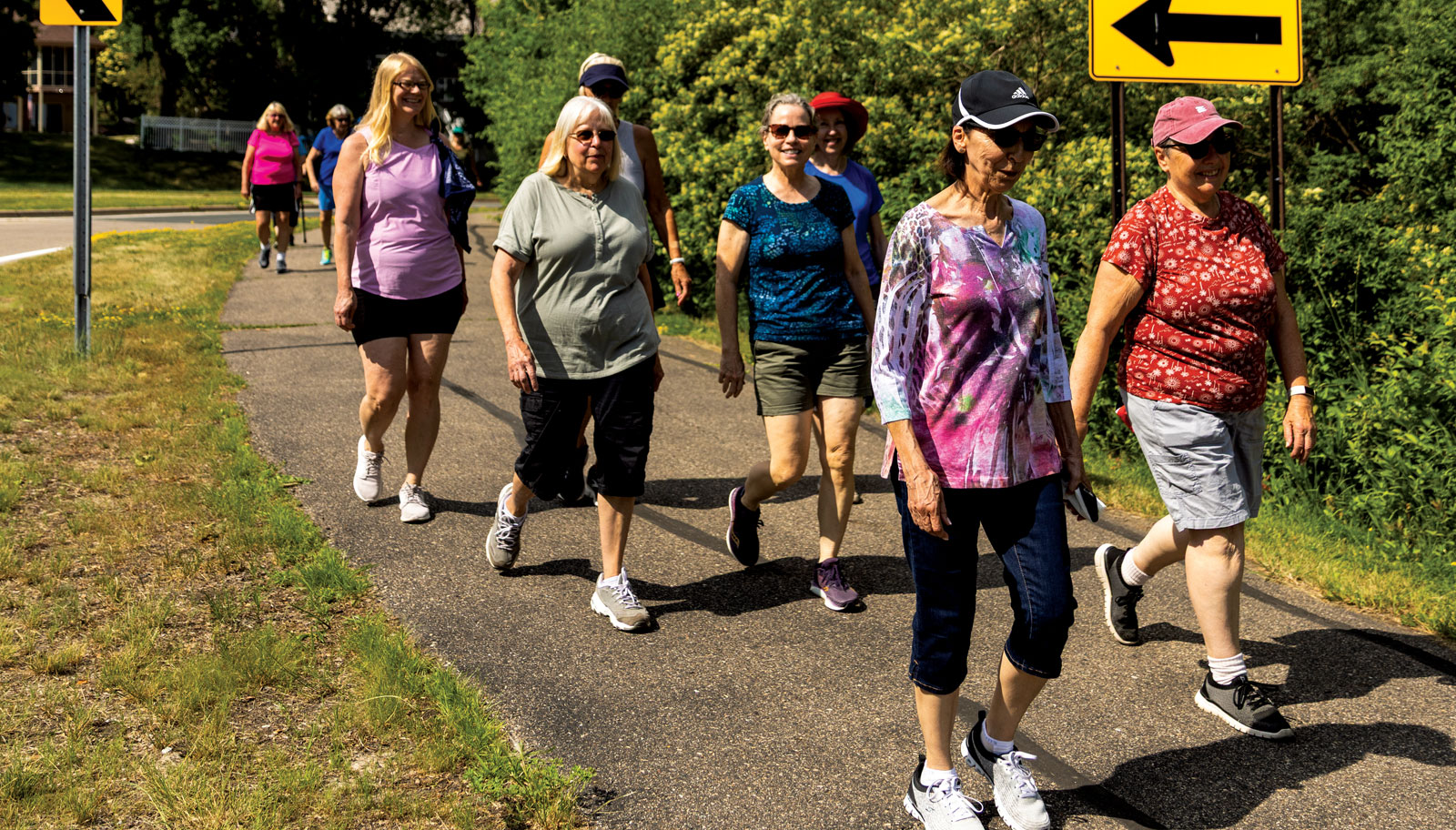
Walking is good for health, businesses, community, and saving money. More people walking means more vibrant streets, neighborhoods, and commerical areas. It benefits everyone, from kids to seniors.
Here's what we advocate for:
Wider sidewalks with a buffer from traffic and shade.
Safer crossings at intersections and mid-block, including light systems, refuge islands, and leading pedestrian intervals.
Timely maintenance and effective snow clearing.
Design that encourages low speeds on all streets, including the removal of high-speed right-turn slip lanes.
Walkable urban design with sidewalk-facing entrances and pedestrian-friendly streetscapes.
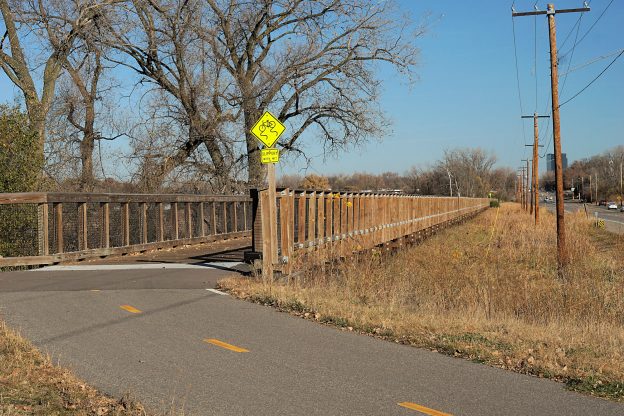
Biking is affordable, healthy, and sustainable. Biking lets Bloomington residents get to work, school, parks, and run errands, and strengthens transit use.
Here's what we advocate for:
A network of All Ages and Abilities (AAA) bike routes that is safe, comfortable, effecient, and connects people to destinations.
There are many different types of bike infrastructure that accomodate various skill levels. See this page from the Edina Bike Alliance for a detailed breakdown of what does and does not constitute AAA infrastructure.
Robust and secure bike parking at destinations, including transit stops and in the public right-of-way.
Timely maintenance and effective snow clearing.
Design that encourages low speeds on all streets, including the removal of high-speed right-turn slip lanes.
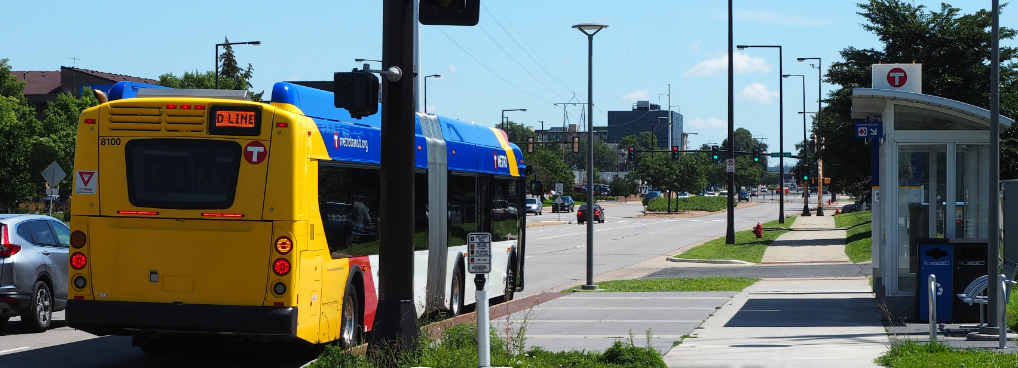
Transit, including bus, light rail, and microtransit, builds community wealth and ensures everyone can opportunities. In conjuction with smart land use and walkability, it creates lively, accessible places.
Here's what we advocate for:
Frequent, reliable, and dignified service seven days a week.
Quality bus stops with seating, shelter, and real-time arrival information.
Timely maintenance and effective snow clearing.
Transit priority at intersections and on key streets.
Plentiful bike parking and connections to stops.
High-quality transit-oriented development that promotes transit use.
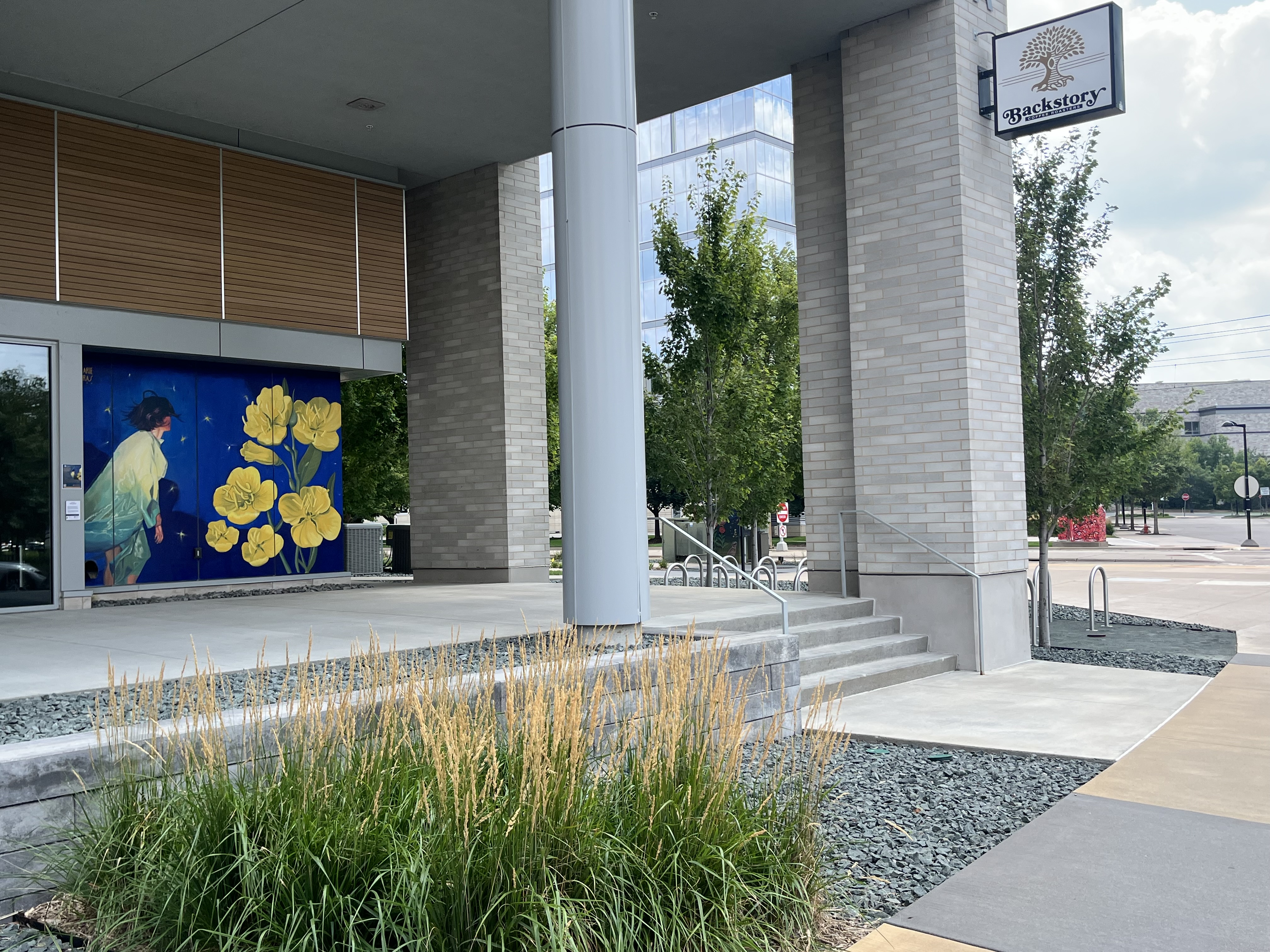
Land use influences nearly every aspect of our city, from taxation to housing costs to the types of amenities we have and how we get there.
Here's what we advocate for:
Zoning that supports a variety of housing types.
Walkable development, particularly mixed-use, that supports transit and is designed for people first.
Lowered or eliminated parking minimums.
Green infrastructure that manages stormwater and adds beauty.
High-quality public art, green spaces, and activation through events and activities.